
Guide To Self Emptying Vaccum: The Intermediate Guide In Self Emptying…
페이지 정보
작성자 Donnie 댓글 0건 조회 70회 작성일 24-06-03 01:45본문
The Convenience of a Self-Empting Vacuum
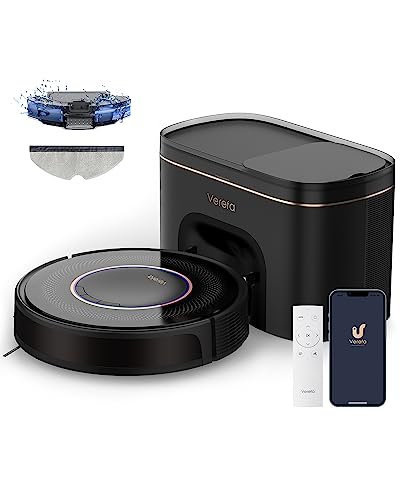 Although the latest robot vacuums are quiet when they're used but emptying them is an issue. This is especially true when you have one that has an auto-emptying base.
These bases have docks that connect to the robot vacuum and vacuums the debris into a large storage bin while charging it. This means that the robot vacuum's dustbin does not have to be empty every two or self emptying vaccum three cleaning sessions, but once every 30 to 60 days.
1. Convenience
It might seem unprofessional to let your robot vacuum clean itself however it's actually a great convenience. The majority of robots have tiny dustbins that need to be manually empty after each cleaning run and can take a while and limit the robot's ability to complete the entire room's worth of work in one session. Self-emptying vacuums come with an incline that can automatically empty the bin once it is full. This saves you from having to bend down to empty the little bin.
Depending on the model, some self-emptying robots have an additional bin that can accommodate a month's worth of trash. The dirt is moved quickly from the robot's base to the bin, which makes it a useful feature for people with large homes or pets that shed a good deal.
Another important thing to consider when looking at a self-emptying robot vacuum is that they're typically more expensive than other types of models. This is primarily due to the fact that they come with an advanced base with a function that goes beyond charging your robot vacuum.
It might sound obvious, but self-emptying bases are often quite tall. This means that they may take more space than other types of bases, which could be an issue for smaller homes or for those with limited storage space. The design of some self-emptying robot vacuums can be a visual annoyance. Although it's not a major issue for the majority of people, it's something that might be an issue for those who are worried about the aesthetic of their home. The good news is, many robot vacuums with self-emptying base look stunning. I've had people come up to me and compliment my impressive piece of technology. This alone could be enough to justify the additional cost of some.
2. Less Allergens
Allergens can pose a problem in many households, especially in the case of someone who has allergies. Using a self emptying vaccum can help reduce the amount of dust, pet dander and other allergens released into the air after vacuuming. You can be sure all the harmful particles will be sucked up into the filter and bag, rather than being thrown into the air. This could affect people who suffer from allergies.
If you want your vacuum cleaner to be even more allergy friendly, choose one with HEPA filtration. It also comes with a variety of attachments that can be used to clean different surfaces. These kinds of vacuums are great for getting rid of pet hair as well as textured crumbs and hard-to-clean debris from your home. This model comes with an extension of 25 feet and extends from floor to ceiling.
3. Easier Maintenance
The ability of your robot vacuum to automatically empty the dustbin at the base of its docking station is a huge benefit. It prevents the bin from overfilling, which can lead to obstructions that could make your robot smell unpleasant and stop functioning efficiently. It is also more hygienic to use the robot rather than manually emptying the garbage. People who suffer from allergies will benefit from this because it prevents allergens being thrown back into the air. The Samsung Jet Bot+ comes with a large bin which can hold more debris than other self-emptying robotic vacuums. This can help to keep your floors clean for a longer time. The bin has a built in filter that captures dirt, pet hairs and other tiny particles. This makes it easier to clean and less likely to overfill than other self-emptying robots.
4. Less Time
Self-emptying robots can be an amazing solution for those who are working. They let you get more cleaning done without having to physically present and empty the dustbin after each cleaning session. This means you spend less time on chores, and spend more time relaxing or doing other things.
Regular robot vacuums are usually equipped with a small bin or dustbin that holds the accumulated debris and dirt it collects after every cleaning cycle. When you empty the dustbin you are exposed to the harmful substances that were kicked into the air. You may have to clean it by hand before you are able to use it again. In 2018, the first self-emptying robotic vacuum cleaners came out. When the bin of a self-emptying robot vacuum and mop vacuum gets full the robot returns to its docking station and connects to the base station. The debris and dust are then removed from the bin with a loud whoosh into the base canister, which is a foot high that has a disposable paper bag. The vaccum then replenishes its batteries before continuing on its pre-programmed cleaning route.
Manufacturers typically rate the canister bags to hold debris for 30 to 60 days. This means you will need to empty the base station approximately once or twice a month depending on how much you clean and how filthy your floors become. In comparison to emptying the bin of a regular robot vacuum after each cleaning session, that's an enormous time savings and it also means you're exposed to less allergens on a more frequently.
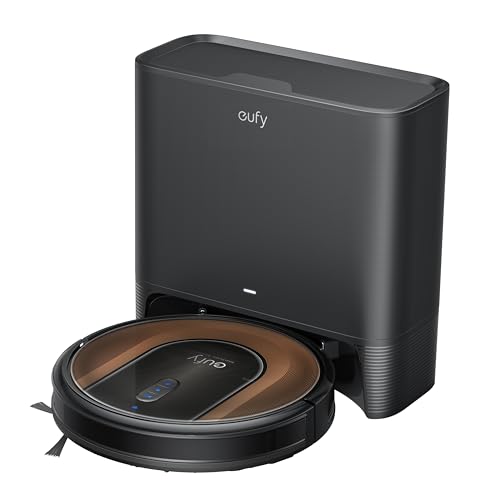 A self-emptying robot can also reduce time by removing the necessity of replacing the filter. Many of us have done this at least once. It also helps avoid problems such as clogs and overstuffing that could cause your vacuum to smell or stop working altogether.
Although the latest robot vacuums are quiet when they're used but emptying them is an issue. This is especially true when you have one that has an auto-emptying base.These bases have docks that connect to the robot vacuum and vacuums the debris into a large storage bin while charging it. This means that the robot vacuum's dustbin does not have to be empty every two or self emptying vaccum three cleaning sessions, but once every 30 to 60 days.
1. Convenience
It might seem unprofessional to let your robot vacuum clean itself however it's actually a great convenience. The majority of robots have tiny dustbins that need to be manually empty after each cleaning run and can take a while and limit the robot's ability to complete the entire room's worth of work in one session. Self-emptying vacuums come with an incline that can automatically empty the bin once it is full. This saves you from having to bend down to empty the little bin.
Depending on the model, some self-emptying robots have an additional bin that can accommodate a month's worth of trash. The dirt is moved quickly from the robot's base to the bin, which makes it a useful feature for people with large homes or pets that shed a good deal.
Another important thing to consider when looking at a self-emptying robot vacuum is that they're typically more expensive than other types of models. This is primarily due to the fact that they come with an advanced base with a function that goes beyond charging your robot vacuum.
It might sound obvious, but self-emptying bases are often quite tall. This means that they may take more space than other types of bases, which could be an issue for smaller homes or for those with limited storage space. The design of some self-emptying robot vacuums can be a visual annoyance. Although it's not a major issue for the majority of people, it's something that might be an issue for those who are worried about the aesthetic of their home. The good news is, many robot vacuums with self-emptying base look stunning. I've had people come up to me and compliment my impressive piece of technology. This alone could be enough to justify the additional cost of some.
2. Less Allergens
Allergens can pose a problem in many households, especially in the case of someone who has allergies. Using a self emptying vaccum can help reduce the amount of dust, pet dander and other allergens released into the air after vacuuming. You can be sure all the harmful particles will be sucked up into the filter and bag, rather than being thrown into the air. This could affect people who suffer from allergies.
If you want your vacuum cleaner to be even more allergy friendly, choose one with HEPA filtration. It also comes with a variety of attachments that can be used to clean different surfaces. These kinds of vacuums are great for getting rid of pet hair as well as textured crumbs and hard-to-clean debris from your home. This model comes with an extension of 25 feet and extends from floor to ceiling.
3. Easier Maintenance
The ability of your robot vacuum to automatically empty the dustbin at the base of its docking station is a huge benefit. It prevents the bin from overfilling, which can lead to obstructions that could make your robot smell unpleasant and stop functioning efficiently. It is also more hygienic to use the robot rather than manually emptying the garbage. People who suffer from allergies will benefit from this because it prevents allergens being thrown back into the air. The Samsung Jet Bot+ comes with a large bin which can hold more debris than other self-emptying robotic vacuums. This can help to keep your floors clean for a longer time. The bin has a built in filter that captures dirt, pet hairs and other tiny particles. This makes it easier to clean and less likely to overfill than other self-emptying robots.
4. Less Time
Self-emptying robots can be an amazing solution for those who are working. They let you get more cleaning done without having to physically present and empty the dustbin after each cleaning session. This means you spend less time on chores, and spend more time relaxing or doing other things.
Regular robot vacuums are usually equipped with a small bin or dustbin that holds the accumulated debris and dirt it collects after every cleaning cycle. When you empty the dustbin you are exposed to the harmful substances that were kicked into the air. You may have to clean it by hand before you are able to use it again. In 2018, the first self-emptying robotic vacuum cleaners came out. When the bin of a self-emptying robot vacuum and mop vacuum gets full the robot returns to its docking station and connects to the base station. The debris and dust are then removed from the bin with a loud whoosh into the base canister, which is a foot high that has a disposable paper bag. The vaccum then replenishes its batteries before continuing on its pre-programmed cleaning route.
Manufacturers typically rate the canister bags to hold debris for 30 to 60 days. This means you will need to empty the base station approximately once or twice a month depending on how much you clean and how filthy your floors become. In comparison to emptying the bin of a regular robot vacuum after each cleaning session, that's an enormous time savings and it also means you're exposed to less allergens on a more frequently.
A self-emptying robot can also reduce time by removing the necessity of replacing the filter. Many of us have done this at least once. It also helps avoid problems such as clogs and overstuffing that could cause your vacuum to smell or stop working altogether.댓글목록
등록된 댓글이 없습니다.